EN
EN  PT
PT  FR
FR  ES
ES  RU
RU  DE
DE  AR
AR  ZH
ZH 
Role of Endoscopic Imaging in Predictive Maintenance and AI Integration
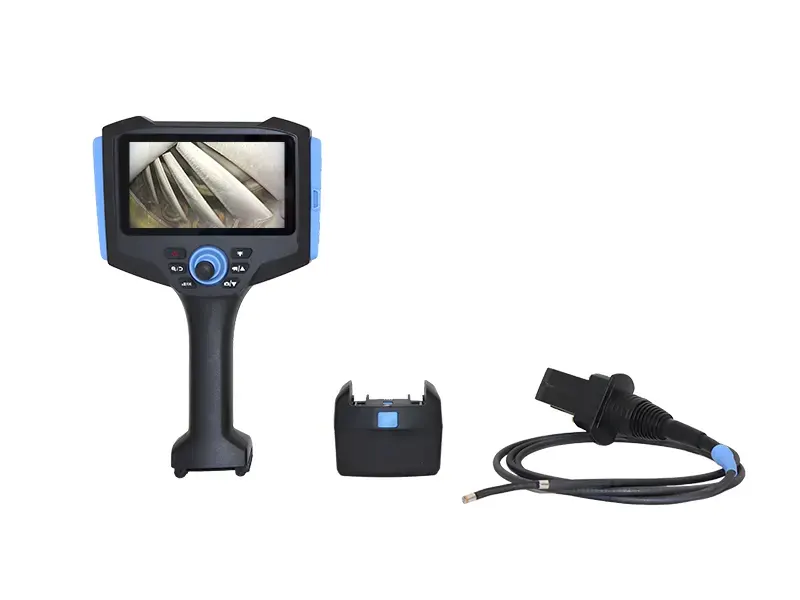
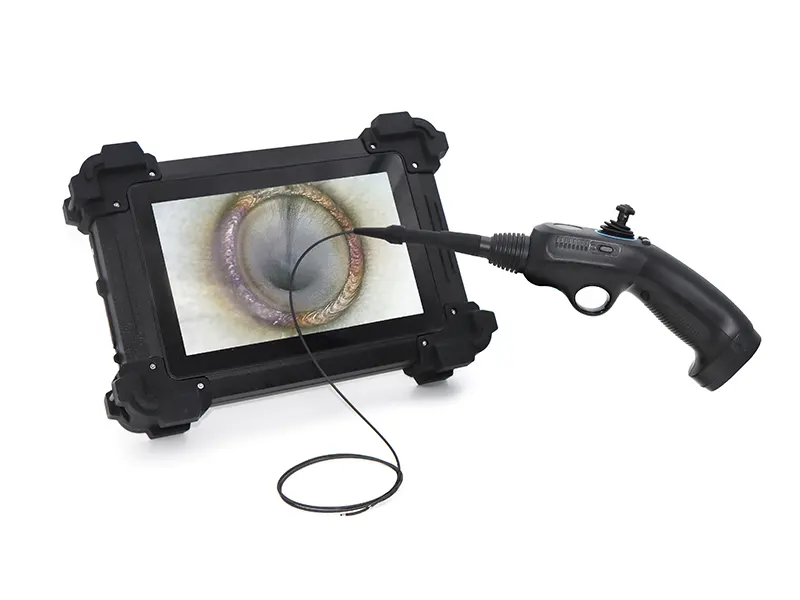
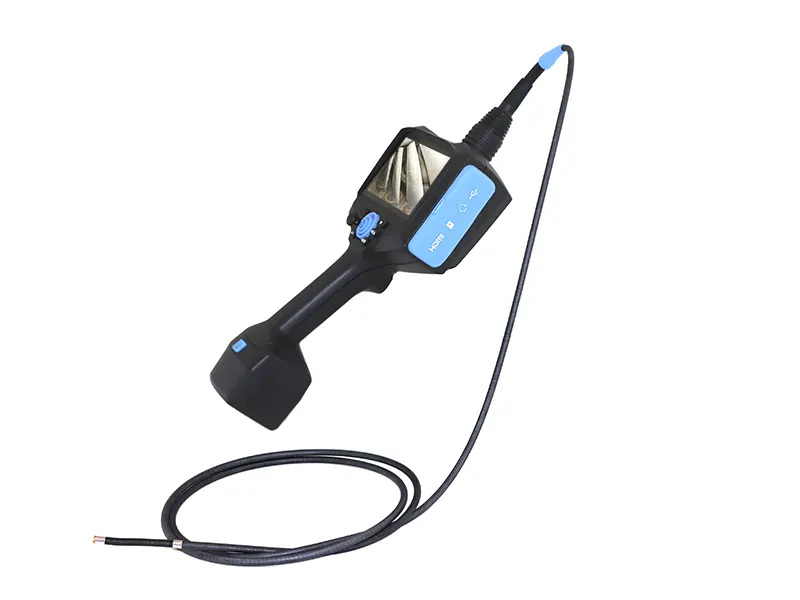
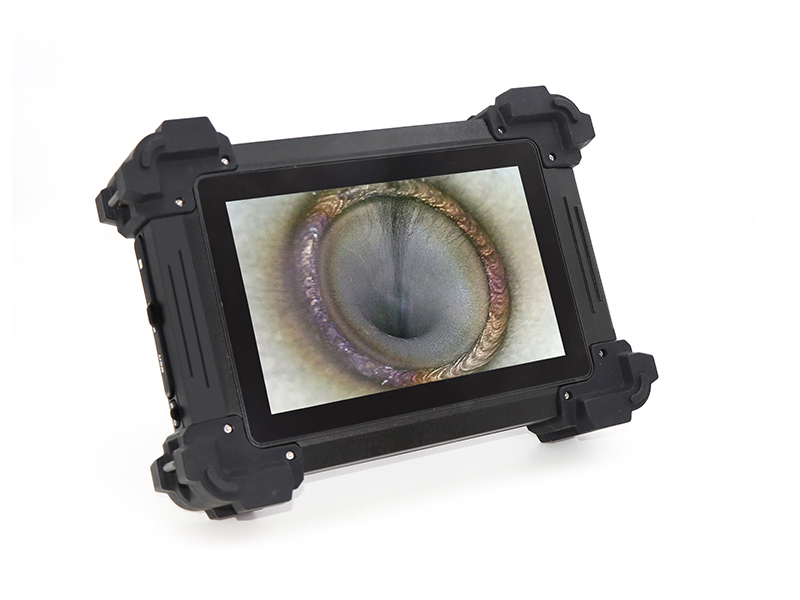
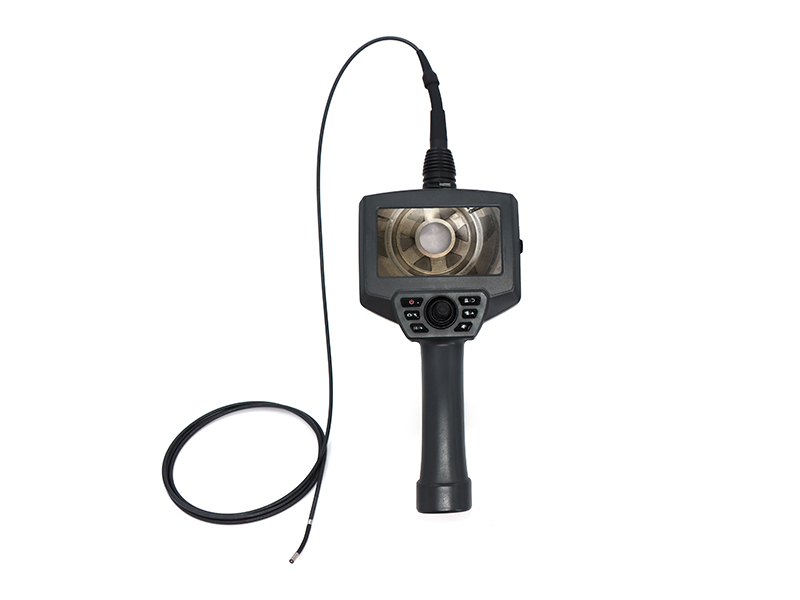
In today’s era of intelligent manufacturing, industries are rapidly shifting from reactive maintenance to predictive strategies that prioritize efficiency, reliability, and cost control. Instead of responding to equipment failures after they occur, companies now aim to anticipate problems before they disrupt operations. Endoscopic imaging has become a critical technology in this transformation, providing direct visual access to internal structures while generating valuable data that fuels predictive maintenance systems and artificial intelligence (AI) integration. Industrial endoscopes allow inspectors to examine areas that are otherwise inaccessible without dismantling equipment. Turbine interiors, pipelines, engines, gearboxes, and casting cavities often hide the earliest signs of wear, corrosion, or structural damage. High-definition endoscopic imaging reveals these hidden defects with exceptional clarity, enabling early detection of issues such as micro-cracks, pitting, contamination, and material fatigue. By capturing detailed visual data during routine inspections, endoscopes create a reliable foundation for condition-based maintenance.
The true value of endoscopic imaging extends beyond visual observation—it lies in data generation and analysis. Each inspection produces high-resolution images and videos that can be stored, compared, and analyzed over time. This historical data set allows maintenance teams to monitor the progression of defects, track changes in component condition, and identify patterns that indicate potential failure. Instead of relying on subjective judgment, engineers can make informed decisions based on measurable trends and documented evidence. Artificial intelligence enhances this process by transforming raw imaging data into actionable insights. Machine learning algorithms can be trained to recognize specific defect types, such as cracks, corrosion, erosion, or foreign object damage. By analyzing large volumes of inspection data, AI systems can automatically detect anomalies, highlight areas of concern, and even classify defect severity. This significantly reduces the time required for manual inspection and improves consistency across different operators and inspection environments.
Integration with predictive maintenance platforms further amplifies the benefits. When endoscopic imaging data is combined with operational parameters such as temperature, vibration, pressure, and load conditions, AI models can predict equipment failure with greater accuracy. For example, a small crack detected through endoscopic inspection, when correlated with abnormal vibration data, may signal an impending mechanical failure. This allows maintenance teams to intervene at the optimal time—before the issue escalates into a costly breakdown. Another important advantage of AI-assisted endoscopic inspection is standardization. Human interpretation can vary based on experience and fatigue, but AI systems apply consistent criteria to every inspection. This ensures repeatable results and reduces the risk of oversight. Over time, as more data is collected, AI models continue to improve, becoming more accurate and reliable in identifying complex defect patterns.
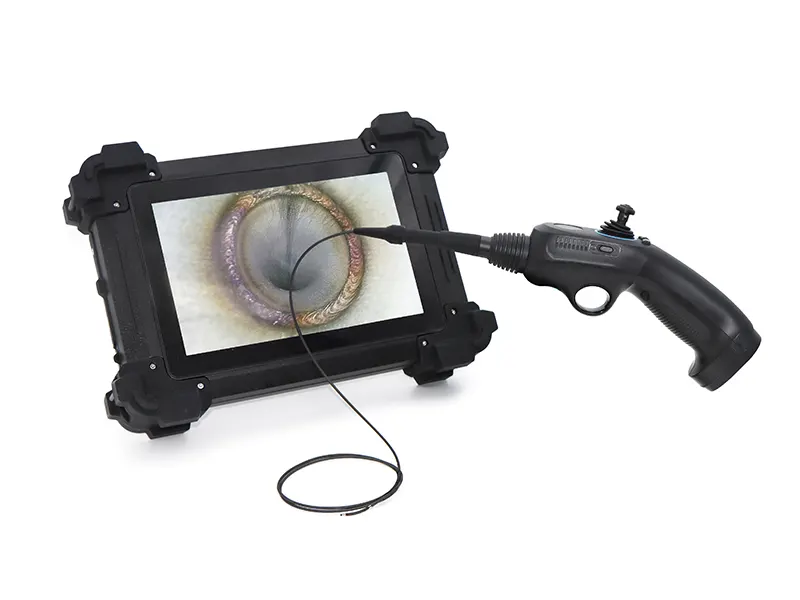
Cloud connectivity and digital integration are also shaping the future of this technology. Modern endoscopic systems can transmit inspection data to centralized platforms, where AI tools analyze it in real time. Remote experts can access the data instantly, providing guidance to on-site technicians and accelerating decision-making processes. This connected ecosystem is particularly valuable in industries such as aerospace, energy, and manufacturing, where timely and accurate maintenance decisions are critical. The impact of predictive maintenance supported by endoscopic imaging is significant. Early defect detection reduces the risk of catastrophic failures, enhances equipment safety, and extends asset lifespan. Planned maintenance minimizes unplanned downtime, optimizes resource allocation, and lowers overall operational costs. These benefits contribute directly to improved productivity and competitiveness in highly demanding industrial sectors.
Looking ahead, the integration of endoscopic imaging and AI will continue to evolve. Future systems may include real-time defect recognition, automated measurement analysis, and integration with digital twin technologies. Endoscopes will not only serve as inspection tools but also as intelligent sensors within a broader smart manufacturing ecosystem, continuously providing data for analysis and optimization. In conclusion, endoscopic imaging plays a pivotal role in enabling predictive maintenance and AI integration. By combining high-resolution visualization with advanced data analytics, it transforms inspection from a reactive task into a proactive strategy. As industries continue to embrace digital transformation, endoscopic imaging will remain a key driver of smarter, safer, and more efficient maintenance practices.