AR
AR  EN
EN  PT
PT  FR
FR  ES
ES  RU
RU  DE
DE  ZH
ZH 
Empowering Aerospace Engine Inspection with High-Definition Endoscopes
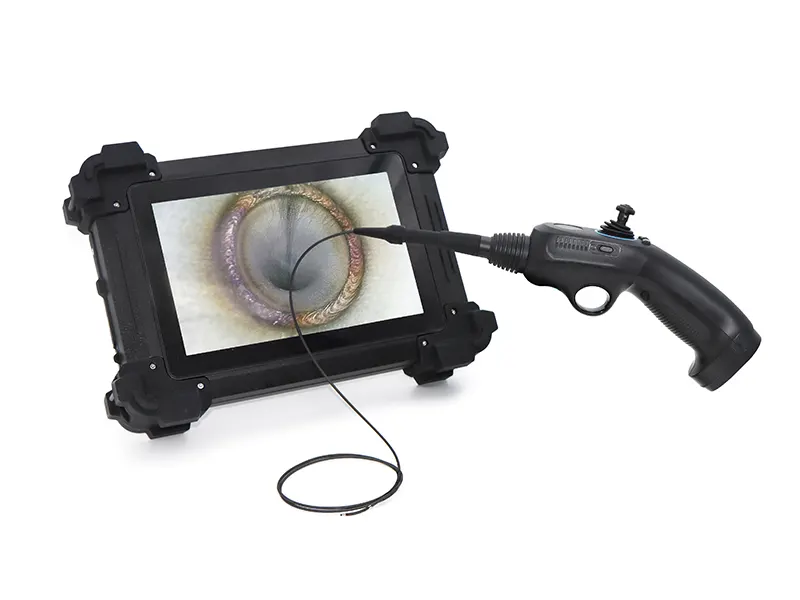
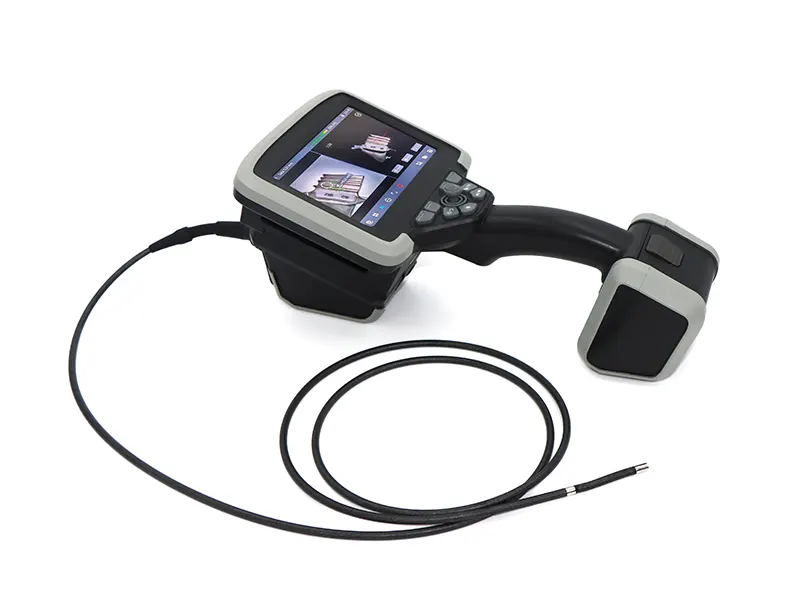
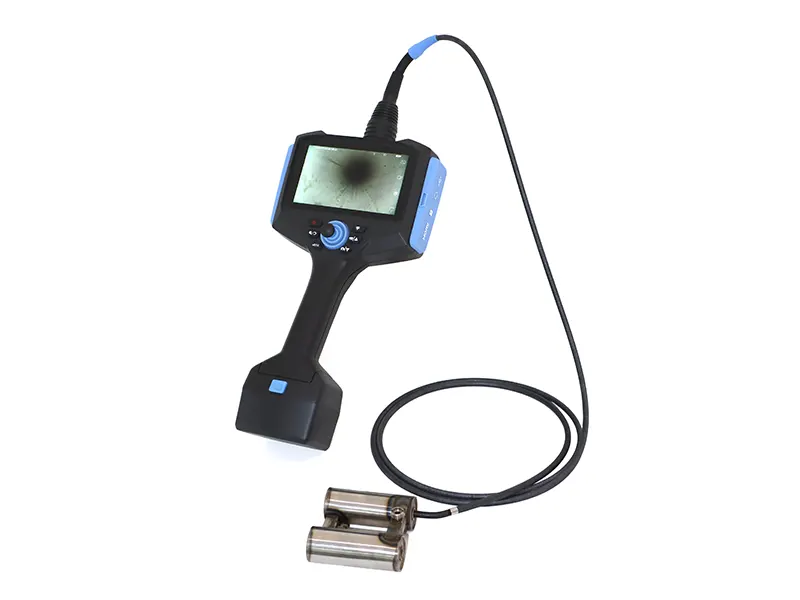
Aerospace engine inspection is one of the most demanding tasks in industrial maintenance and quality assurance. Inside an aircraft engine lies a highly complex structure composed of turbine blades, combustion chambers, cooling channels, and precision components operating under extreme temperatures and pressures. Even the smallest defect can compromise performance, safety, and operational reliability. In this high-stakes environment, high-definition industrial endoscopes have become indispensable tools, empowering engineers to see deeper, clearer, and more accurately than ever before. Traditional inspection methods often required partial or complete engine disassembly, leading to long downtime, high labor costs, and increased risk of secondary damage. High-definition endoscopes revolutionize this process by enabling non-destructive internal inspection through minimal access points. With advanced imaging technology, inspectors can visually assess internal engine conditions in real time, identifying cracks, corrosion, foreign object damage, or abnormal wear without dismantling critical components. This approach dramatically improves efficiency while maintaining the highest safety standards.
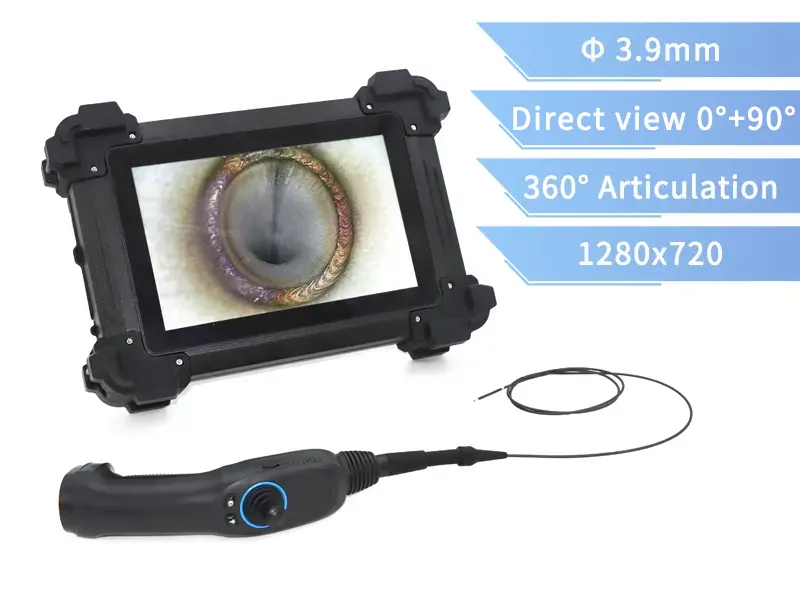
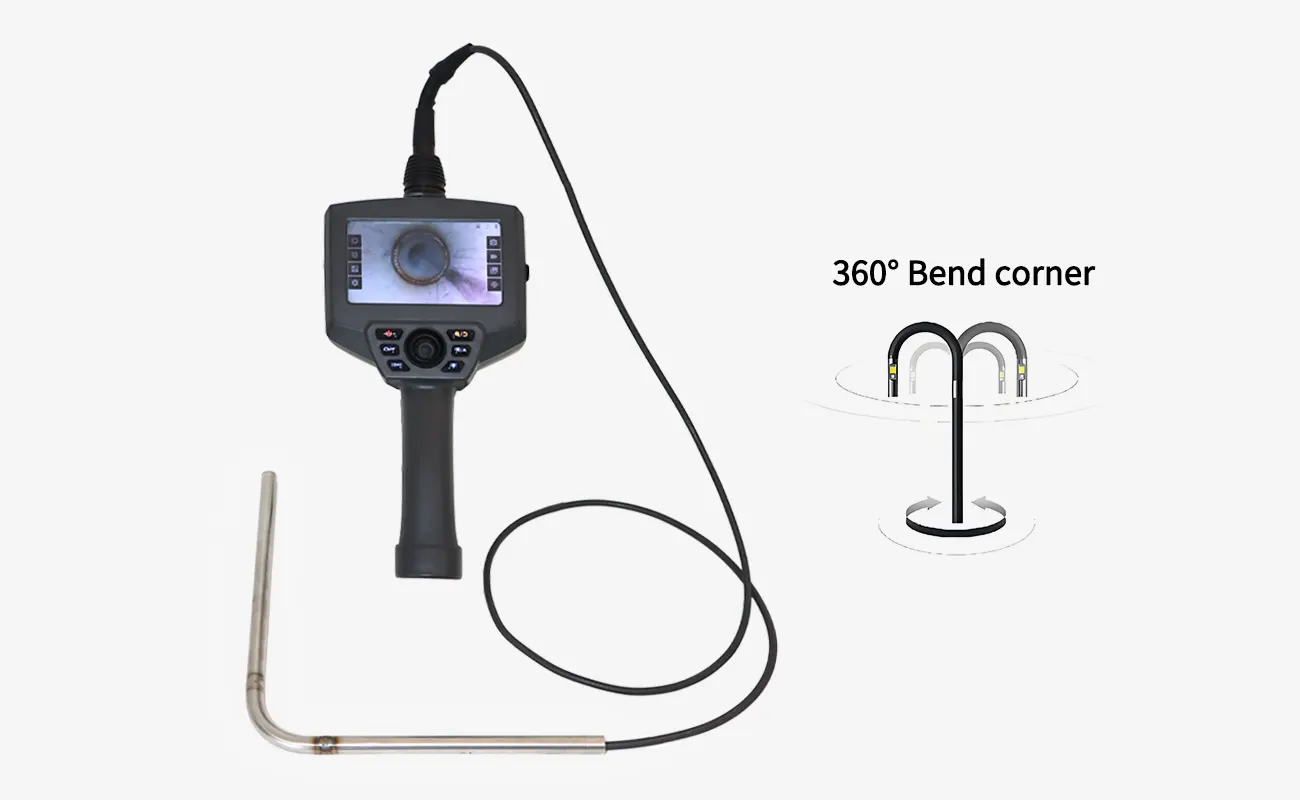
At the core of modern aerospace inspection is image clarity. High-definition endoscopes deliver sharp, detailed visuals with millions of pixels, allowing inspectors to detect micro-level defects that might otherwise go unnoticed. Fine surface textures, coating irregularities, heat fatigue marks, and early-stage cracks become clearly visible, even in dark and confined spaces. This level of detail is crucial for preventive maintenance, as it allows engineers to address potential issues before they escalate into major failures. Equally important is the ability to navigate complex internal geometries. Aerospace engines contain curved pathways, narrow channels, and angled surfaces that are difficult to access with rigid tools. Advanced endoscopes feature multi-directional bending mechanisms and ultra-slim probe designs, enabling smooth navigation through intricate structures. Inspectors can precisely position the camera to observe blade edges, internal walls, and hidden junctions from optimal angles, ensuring comprehensive coverage during every inspection.
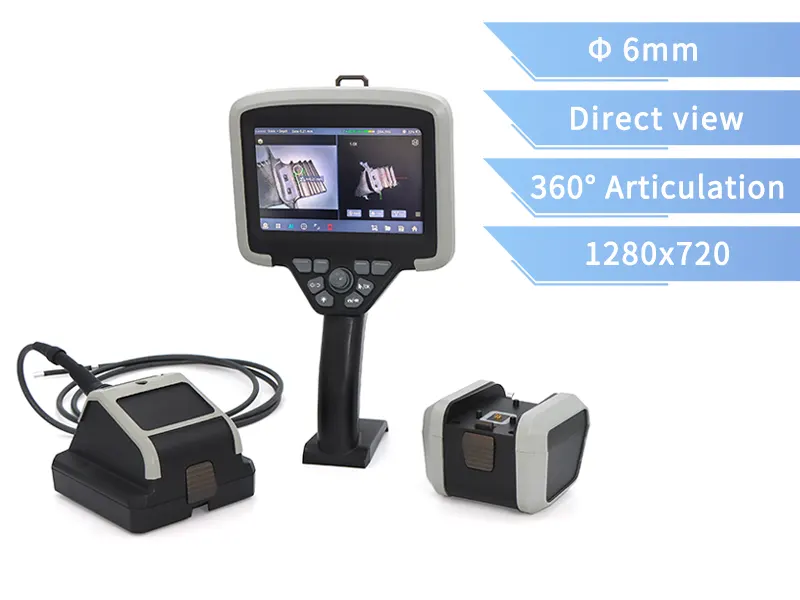
Lighting plays a critical role in aerospace engine inspection, where internal environments are dark and highly reflective. High-definition endoscopes integrate carefully engineered LED illumination systems that provide uniform, glare-free lighting. Proper illumination enhances contrast and depth perception, ensuring that surface defects and material inconsistencies are accurately captured. This combination of advanced optics and intelligent lighting significantly improves inspection reliability in challenging engine environments. Beyond visual observation, modern high-definition endoscopes increasingly support measurement and documentation functions. With advanced image processing algorithms, inspectors can measure defect size, depth, and position directly within the engine. These quantitative capabilities transform inspection from a subjective process into a data-driven evaluation, supporting maintenance decisions, regulatory compliance, and long-term performance analysis. High-quality video and image recording also enable traceability, remote expert consultation, and detailed inspection reports.
High-definition endoscopes also contribute to improved safety and cost efficiency across the aerospace industry. By enabling early detection of defects, they help prevent in-flight failures and unplanned maintenance events. Reduced disassembly minimizes human error and shortens maintenance cycles, allowing aircraft to return to service faster. Over time, these advantages translate into lower operating costs, extended component life, and enhanced fleet reliability. As aerospace technology continues to advance, inspection tools must evolve alongside increasingly sophisticated engine designs. High-definition endoscopes are now being integrated with intelligent algorithms, automated defect recognition, and digital maintenance systems. These innovations point toward a future where aerospace inspection is not only visual but predictive, supporting smarter maintenance strategies and higher safety standards.
In conclusion, high-definition endoscopes have become a cornerstone of modern aerospace engine inspection. By combining superior image quality, flexible maneuverability, intelligent lighting, and precise measurement capabilities, they empower engineers to perform faster, safer, and more accurate inspections. As the aerospace industry moves toward higher efficiency and reliability, high-definition endoscopic technology will continue to play a vital role in safeguarding performance and ensuring the safety of every flight.