DE
DE  EN
EN  PT
PT  FR
FR  ES
ES  RU
RU  AR
AR  ZH
ZH 
The Role of Endoscopic Imaging in Predictive Maintenance and AI Integration
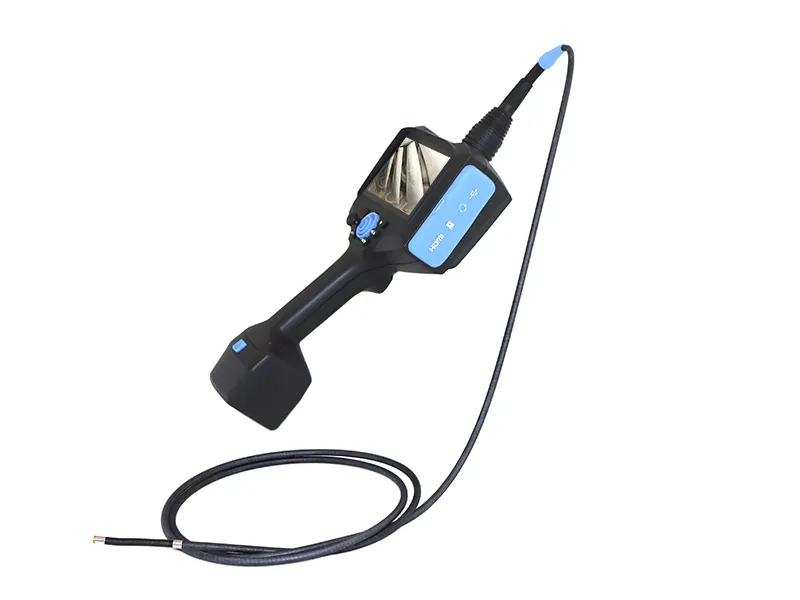
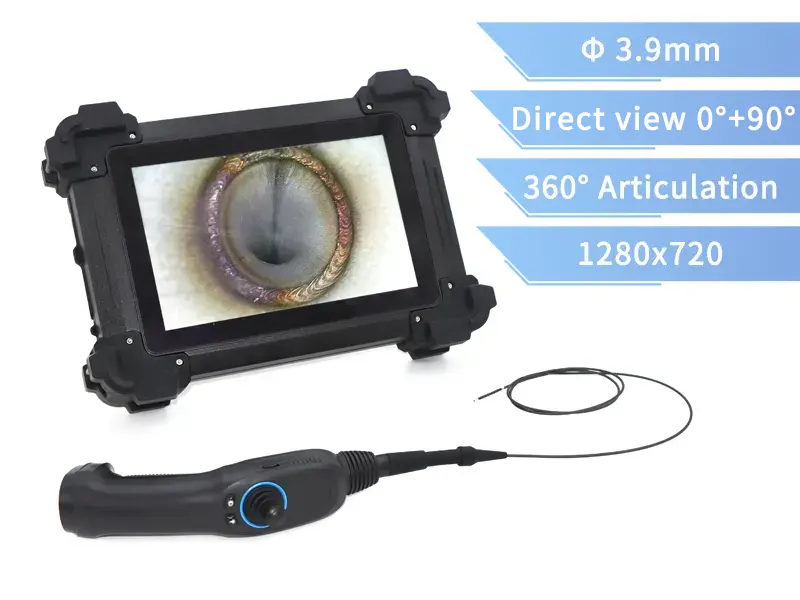
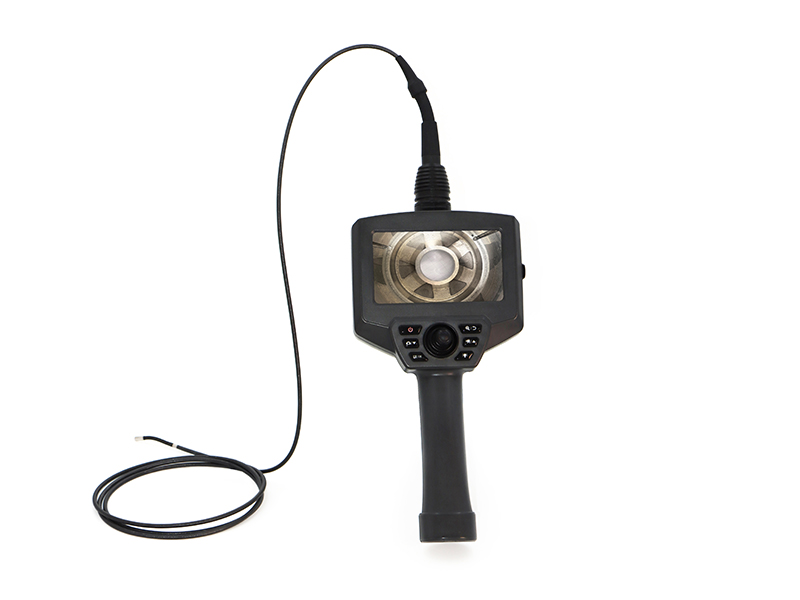
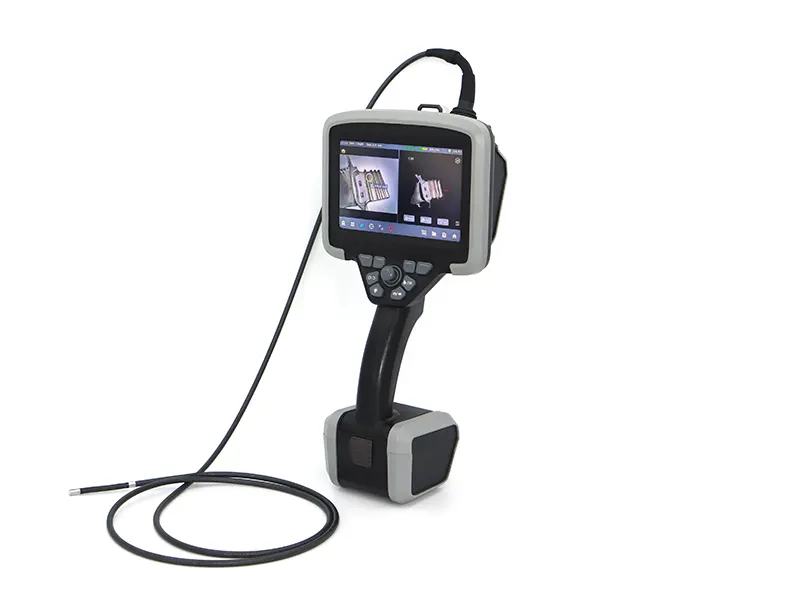
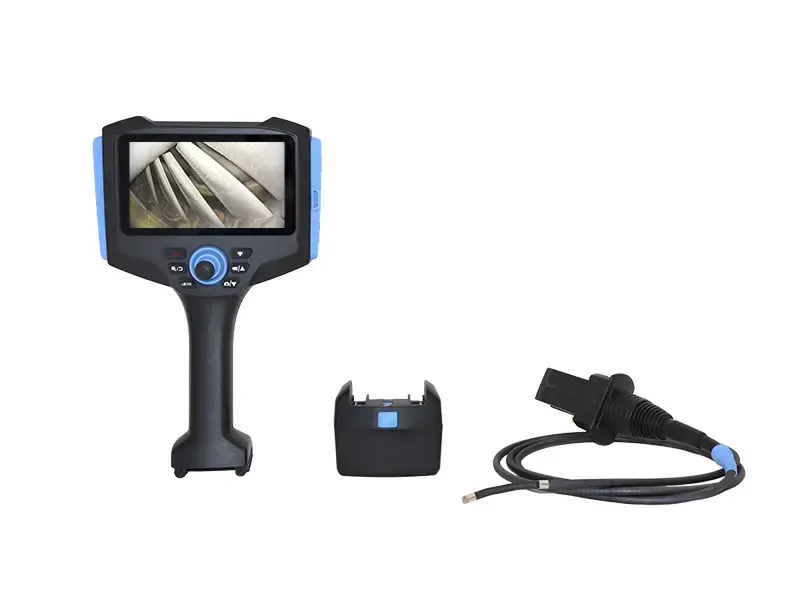
Modern industries are moving away from reactive maintenance toward predictive strategies that minimize downtime and extend equipment life. Instead of waiting for failures to occur, companies now rely on continuous monitoring and intelligent diagnostics to detect issues early. Endoscopic imaging has emerged as a key technology in this transformation, providing visual access to internal components without disassembly while generating valuable data that can be integrated into AI-driven maintenance systems. Industrial endoscopes enable inspectors to observe hidden areas such as turbine interiors, pipelines, gearboxes, engines, and casting cavities. These areas are often the most vulnerable to wear, corrosion, cracks, and contamination. High-definition imaging allows technicians to detect subtle signs of degradation that might otherwise go unnoticed. When inspections are conducted regularly, image data forms a historical record of component conditions, creating a foundation for predictive maintenance models.
The real power of endoscopic imaging lies in its data potential. Each inspection produces visual information that can be analyzed, stored, and compared over time. With digital image archiving, maintenance teams can track how defects evolve, measure changes in crack length, monitor corrosion progression, or assess material fatigue. This shift from qualitative observation to quantitative monitoring turns visual inspection into a measurable, trend-based process. Artificial intelligence enhances this process by automating image analysis. Machine learning algorithms trained on large datasets can recognize defect patterns such as pitting, fractures, surface wear, and foreign object damage. AI-assisted systems help reduce human error and speed up evaluation, especially in industries where inspection volumes are high. Instead of manually reviewing thousands of images, inspectors receive automated alerts highlighting potential anomalies, allowing them to focus on decision-making rather than routine detection.
Integration with predictive maintenance platforms further amplifies the value of endoscopic data. When inspection results are linked with operational data such as temperature, vibration, and load conditions, AI models can predict failure probabilities more accurately. For example, combining endoscopic crack measurements with vibration trends in rotating machinery enables earlier identification of structural risks. Maintenance can then be scheduled based on actual equipment condition rather than fixed intervals. Another advantage of AI integration is consistency. Human interpretation can vary depending on experience and fatigue, but AI systems apply standardized criteria to every image. This ensures repeatable inspection results across different operators and locations. Over time, the AI system becomes smarter, improving detection accuracy as more inspection data is collected and labeled.
Cloud connectivity and smart devices also play a role. Modern endoscopic systems can transmit inspection images directly to centralized databases where AI tools analyze them in real time. Remote experts can review findings instantly, supporting field technicians and accelerating decision cycles. This connected workflow is particularly valuable in industries such as aerospace, energy, and manufacturing, where rapid maintenance decisions are critical. Predictive maintenance supported by endoscopic imaging also contributes to safety and cost control. Early detection of internal defects reduces the likelihood of catastrophic equipment failure, protecting both personnel and assets. Planned maintenance avoids unexpected shutdowns, optimizes spare parts usage, and extends component life. These benefits translate into significant operational savings and improved production reliability.
Looking ahead, the synergy between endoscopic imaging and AI will continue to evolve. Future systems may include automated defect classification, real-time 3D measurement analysis, and digital twin integration. Inspection tools will not only capture images but also serve as intelligent sensors within broader smart factory ecosystems. Endoscopic imaging is no longer just a visual inspection tool; it is becoming a critical data source in predictive maintenance strategies. By combining high-resolution imaging with AI-driven analysis, industries gain deeper insight into equipment health, enabling smarter decisions, safer operations, and more efficient maintenance planning in the era of intelligent manufacturing.