RU
RU  EN
EN  PT
PT  FR
FR  ES
ES  DE
DE  AR
AR  ZH
ZH 
Non-Destructive Testing (NDT) in the New Energy Sector
The rapid growth of the new energy sector is reshaping the global industrial landscape. Industries such as wind power, solar energy, nuclear energy, hydrogen systems, and energy storage are expanding at an unprecedented pace, driven by the need for sustainability, efficiency, and safety. As these systems become larger, more complex, and more technologically advanced, ensuring their reliability is critical. Non-Destructive Testing (NDT) has emerged as a cornerstone technology in the new energy sector, providing accurate inspection and condition monitoring without damaging valuable equipment or interrupting operations. New energy systems operate under demanding conditions that place extreme stress on materials and components. Wind turbine blades are exposed to constant vibration, fatigue, and harsh weather; solar manufacturing equipment requires high precision and cleanliness; nuclear and hydrogen systems demand absolute safety and integrity; and energy storage systems involve sensitive structures that must remain stable over long periods. NDT enables engineers to inspect these systems internally and externally, detecting defects such as cracks, corrosion, delamination, voids, and material degradation before they lead to failure.
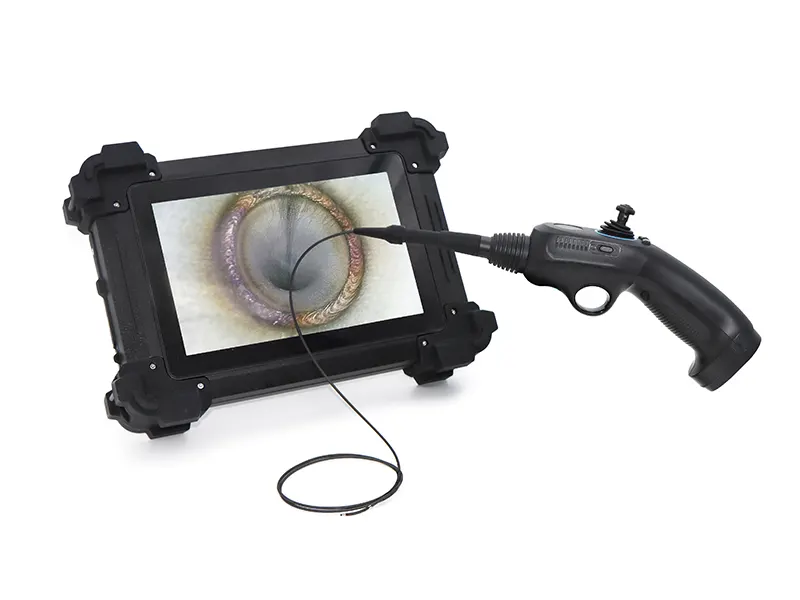
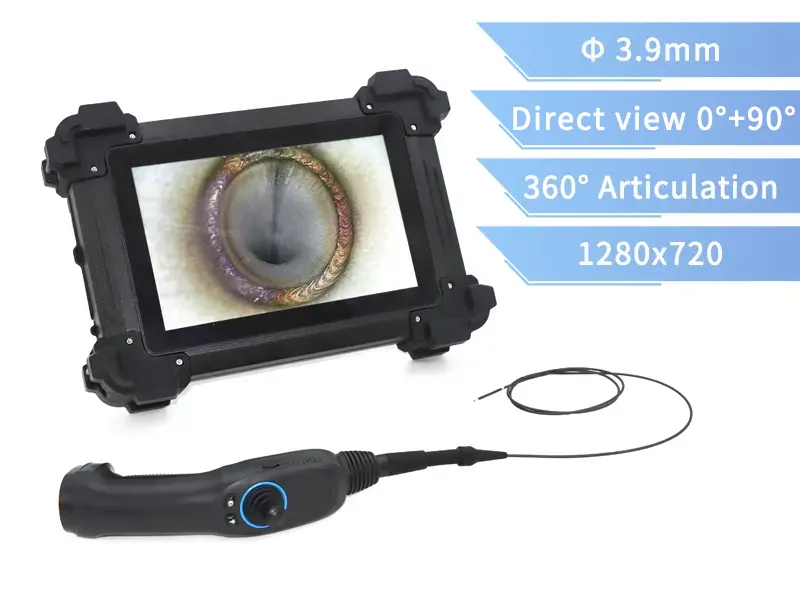
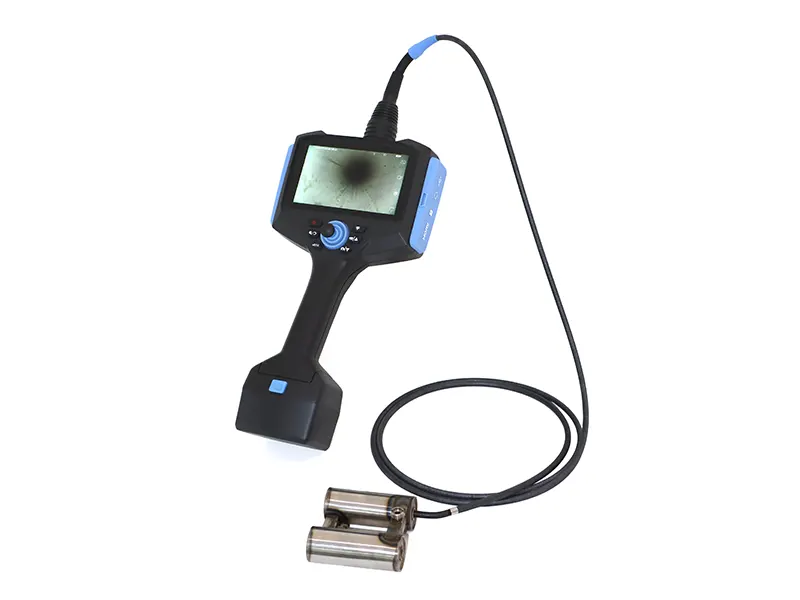
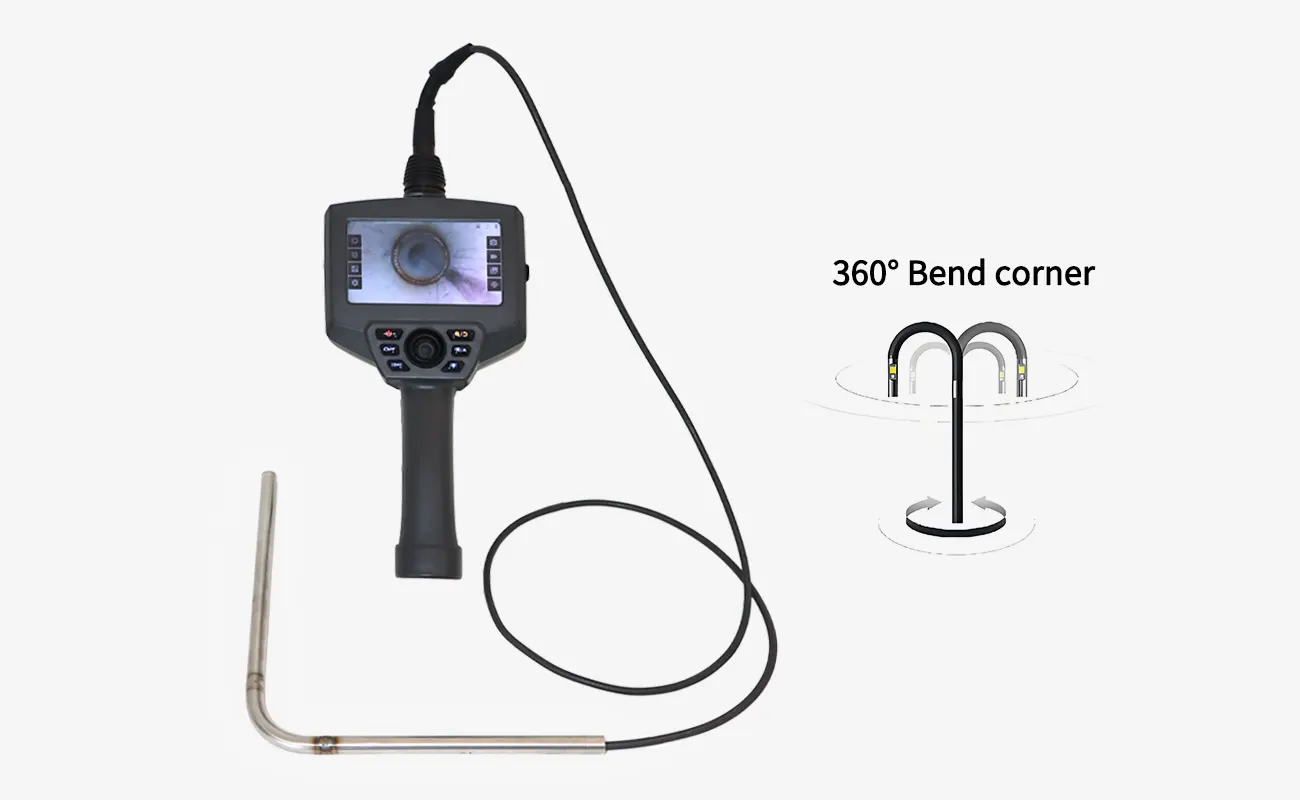
One of the key advantages of NDT in the new energy sector is its ability to support preventive and predictive maintenance. Rather than waiting for visible damage or operational failure, NDT methods allow early detection of hidden defects. Techniques such as ultrasonic testing, radiographic testing, and industrial endoscopy provide critical insights into component health. Among these, industrial endoscopes play an increasingly important role by enabling direct visual inspection of internal structures in confined or enclosed spaces. High-definition endoscopic imaging allows technicians to examine welds, cooling channels, internal surfaces, and assembly conditions without disassembly. In wind energy applications, NDT is essential throughout the entire lifecycle of turbines—from manufacturing and installation to operation and maintenance. Endoscopic inspection is widely used to examine internal blade structures, gearbox components, and bearing systems. Early identification of internal cracks, lubrication issues, or surface wear helps operators avoid catastrophic failures and extend equipment service life. NDT also supports quality control during blade manufacturing, ensuring structural integrity before deployment in the field.
In the solar energy sector, NDT contributes to both equipment manufacturing and power generation reliability. Precision inspection of production equipment, such as filling lines, vacuum systems, and enclosed mechanical assemblies, ensures consistent product quality and minimizes downtime. For large-scale solar installations, NDT techniques are used to monitor mounting structures, connectors, and supporting components, helping maintain long-term stability and performance under environmental stress. Nuclear energy and hydrogen systems represent some of the most safety-critical applications of NDT in the new energy sector. These systems operate under high pressure, high temperature, and potentially hazardous conditions, leaving no margin for inspection error. NDT methods enable thorough evaluation of pipelines, pressure vessels, valves, and internal components without compromising system integrity. High-resolution industrial endoscopes are particularly valuable for inspecting internal welds, corrosion-prone areas, and hard-to-reach spaces where traditional inspection tools are ineffective.
Energy storage technologies, including battery systems and associated infrastructure, also benefit from NDT. As energy storage installations scale up, ensuring structural consistency and detecting early signs of degradation becomes essential. Visual inspection using advanced imaging tools allows engineers to assess internal layouts, connections, and potential thermal damage, supporting safer operation and longer service life. As the new energy sector advances toward digitalization and intelligent operation, NDT is evolving alongside it. Modern NDT systems are increasingly integrated with intelligent imaging algorithms, digital reporting, and data analysis platforms. This transformation enables more accurate defect recognition, trend analysis, and lifecycle management. Visual inspection data collected today can inform predictive models that improve future design and maintenance strategies. In conclusion, Non-Destructive Testing is an indispensable technology for the sustainable growth of the new energy sector. By enabling accurate, reliable, and non-invasive inspection, NDT ensures safety, enhances efficiency, and supports long-term asset performance across wind, solar, nuclear, hydrogen, and energy storage industries. As energy systems continue to evolve, advanced NDT technologies will remain a key enabler of innovation, reliability, and confidence in the transition toward a cleaner and more resilient energy future.