ZH
ZH  EN
EN  PT
PT  FR
FR  ES
ES  RU
RU  DE
DE  AR
AR 
Empowering Aerospace Engine Inspection with High-Definition Endoscopes
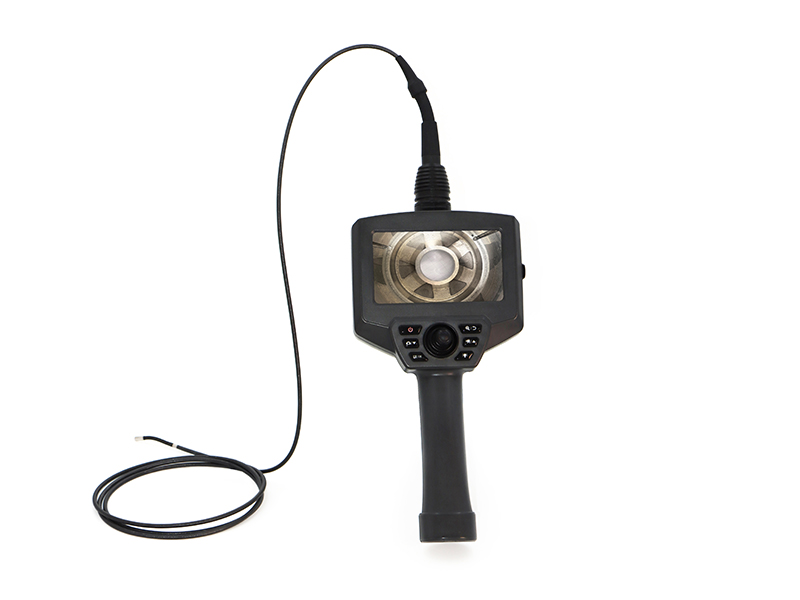
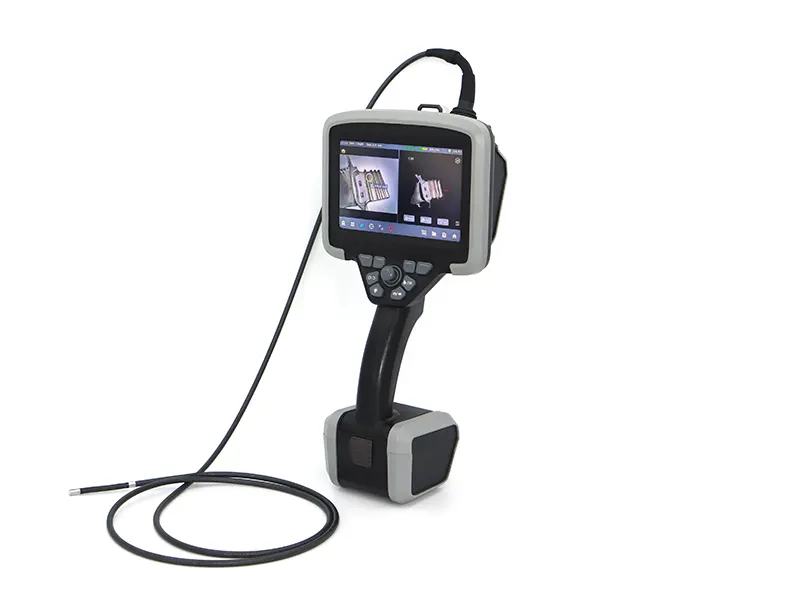
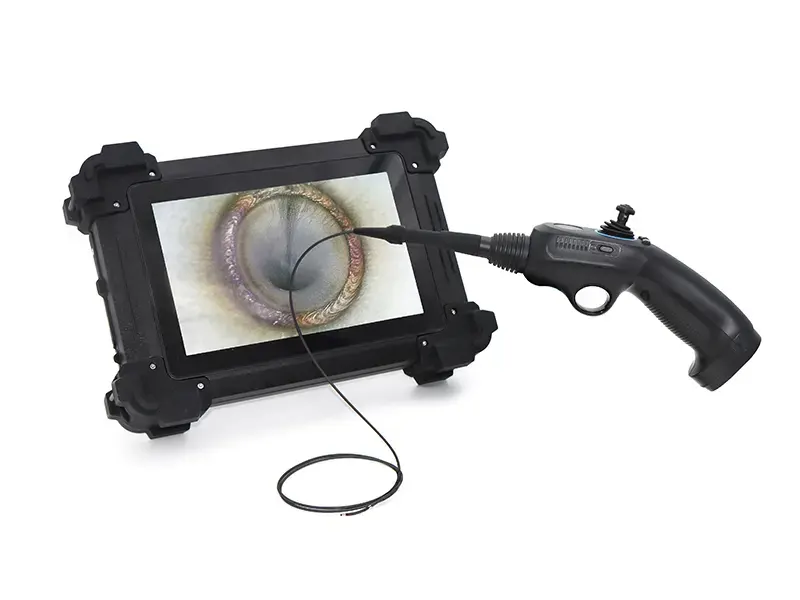
Aerospace engines are among the most complex and demanding machines ever designed. Operating under extreme temperatures, high pressure, rapid vibration, and corrosive environments, every component inside a turbine must function flawlessly to ensure safety and performance. Even the smallest internal defect—barely visible to the naked eye—can lead to reduced efficiency, costly repairs, or catastrophic failure. This is why aerospace manufacturers and maintenance teams rely heavily on high-definition industrial endoscopes as an essential part of their inspection toolkit. High-definition endoscopes have transformed how turbine engines are maintained, repaired, and certified for flight. Their greatest advantage lies in their ability to visualize hidden internal structures without disassembling the engine. Instead of dismantling multiple layers of blades, cooling chambers, and casings, inspection teams insert ultra-thin probes through specially designed access ports. With advanced optics and precision articulation, engineers gain a crystal-clear view of turbine blades, combustion chambers, stators, fuel nozzles, and bearing housings while the engine remains intact. This dramatically reduces downtime—an essential benefit in an industry where every hour of aircraft availability counts.
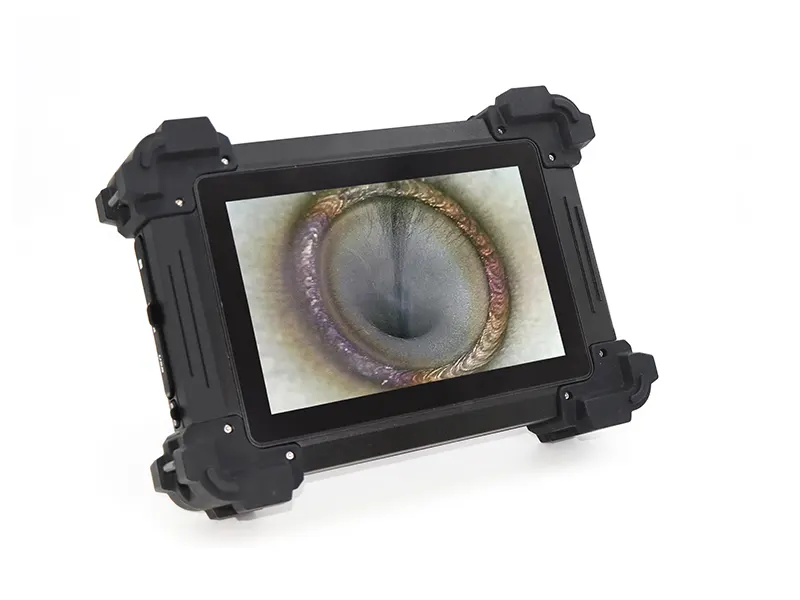
Clarity is everything during aerospace engine inspection. High-definition endoscopes capture fine surface details that older or lower-resolution tools often miss. Surface erosion, micro-cracking, thermal fatigue, foreign object damage, and coating flakes can first appear as subtle patterns or discolorations on metal surfaces. With millions of pixels and tailored optical lenses, HD endoscopes provide the resolution necessary to detect these defects early—before they evolve into major maintenance challenges. Enhanced lighting systems ensure that even the deepest recesses of an engine are illuminated uniformly, eliminating shadows and distortion that can compromise inspection accuracy. Flexibility and mobility of the probe tip are equally critical in aerospace applications. Modern endoscopes designed for aircraft engines feature multi-directional bending sections that can articulate with extreme precision. This maneuverability allows inspectors to reach behind blades, around stator assemblies, and into narrow cooling channels where critical cracks often develop. Combined with ultra-thin probe diameters—as small as 1–3.9mm—these specialized tools access parts of the engine that were once impossible to inspect safely and reliably.
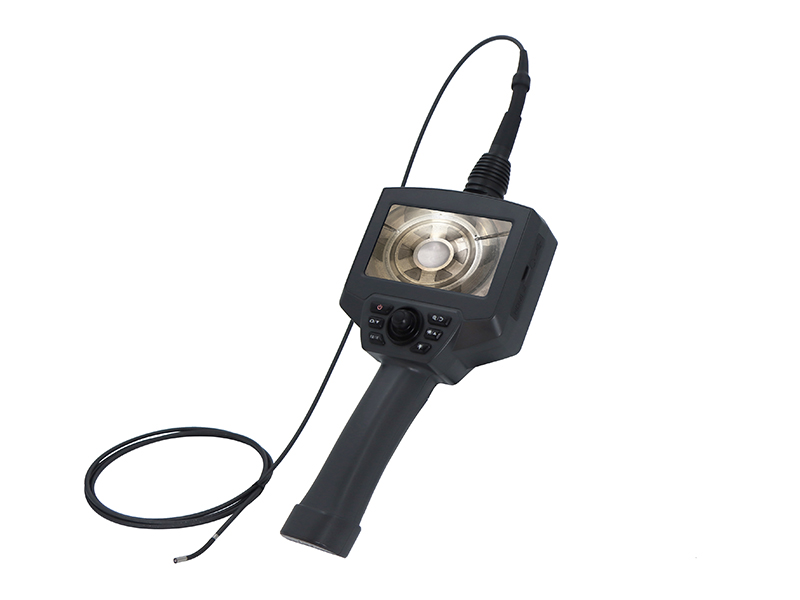
Measurement capability elevates endoscopy from simple visualization to analytical inspection. Many high-definition systems incorporate dual-camera measurement or structured-light technologies, enabling engineers to assess defect length, depth, and expansion with micron-level accuracy. This information helps decision-makers determine whether a component can continue operating, needs targeted repair, or must be replaced immediately. Quantifiable data supports compliance with strict aviation regulations and provides traceable maintenance history for every aircraft engine. Beyond routine maintenance, high-definition endoscopes unlock capabilities that extend throughout an engine’s lifecycle. During manufacturing, they help confirm the integrity of internal assembly and welding before engines leave the factory floor. In service, they support scheduled inspections and enable condition-based maintenance—allowing airlines to plan overhauls based on actual wear versus fixed timelines. During repairs, endoscopes guide technicians as they remove debris, polish surfaces, or apply in-place restoration techniques inside the engine. Even during component failure investigations, high-definition imaging provides crucial insight into root cause analysis.
Perhaps the most important contribution of these tools is safety. Globally, aviation is held to the strictest reliability standards. Industrial endoscopes enable maintenance teams to identify risks early, prevent in-flight incidents, and extend engine lifespan without compromising passenger confidence. By combining non-destructive inspection with state-of-the-art imaging technology, high-definition endoscopes play a foundational role in ensuring that every flight takes off with engines performing at peak condition. As the aerospace industry advances—embracing new materials, higher-efficiency turbine designs, and greener propulsion systems—the role of industrial endoscopy will only expand. Artificial intelligence–assisted image recognition, 3D measurement models, and digital maintenance ecosystems are already pushing boundaries. Tomorrow’s engineers will work with endoscopes that not only see inside engines but help predict failures before they form.
In the world of aviation, unseen defects can cost millions—or cost lives. High-definition industrial endoscopes empower aerospace professionals to see more, understand more, and maintain engines more safely and efficiently than ever before. As inspection technology continues to evolve, the skies will remain safer, engines more reliable, and the future of flight more innovative—one detailed image at a time.