ZH
ZH  EN
EN  PT
PT  FR
FR  ES
ES  RU
RU  DE
DE  AR
AR 
How Our Endoscopes Support Nuclear Industry Safety Standards
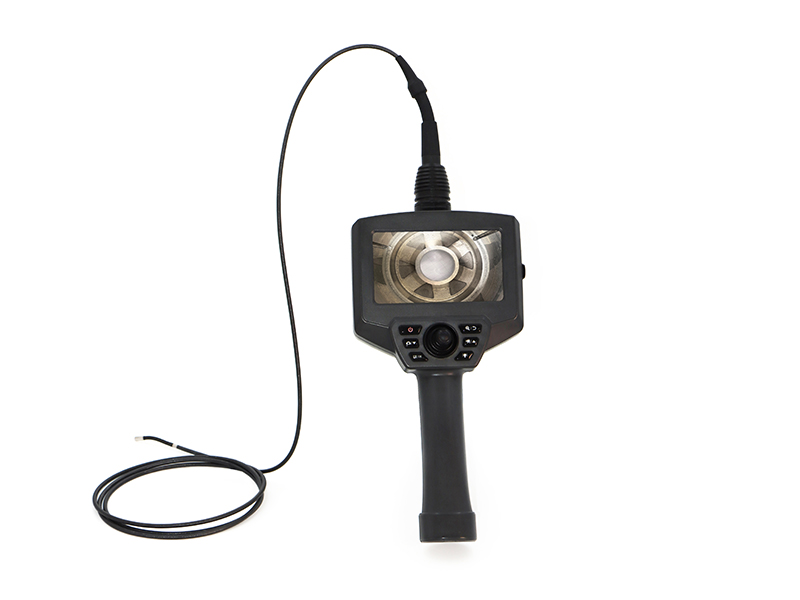
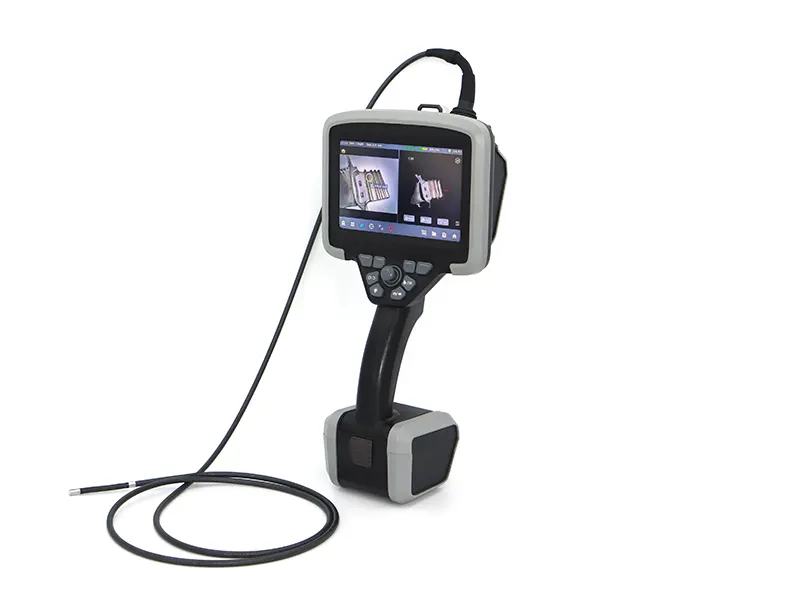
Safety is the foundation of the nuclear industry. From power generation and fuel processing to maintenance and decommissioning, every operation must meet the highest safety and quality standards. Nuclear facilities operate under extreme conditions, including high temperature, radiation, pressure, and complex structural environments, leaving no room for inspection errors. In this context, advanced industrial endoscopes play a critical role in supporting nuclear industry safety standards by enabling precise, reliable, and non-destructive inspection of critical components. One of the primary challenges in nuclear facilities is accessing internal structures without disrupting operations or compromising safety barriers. Components such as pipelines, pressure vessels, heat exchangers, and reactor internals are often enclosed or difficult to reach. Industrial endoscopes allow inspectors to visually assess these areas through small access points, eliminating the need for extensive disassembly. This non-destructive approach reduces exposure risks, minimizes downtime, and maintains the integrity of safety-critical systems.
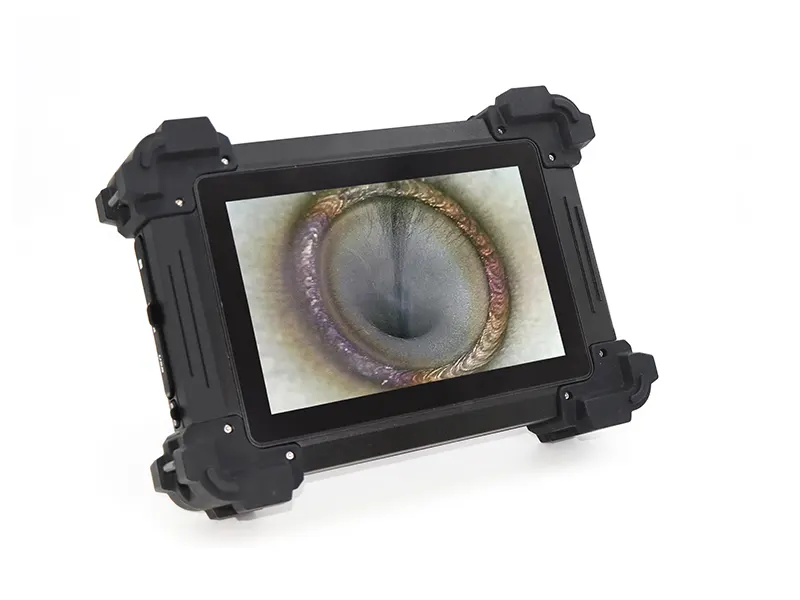
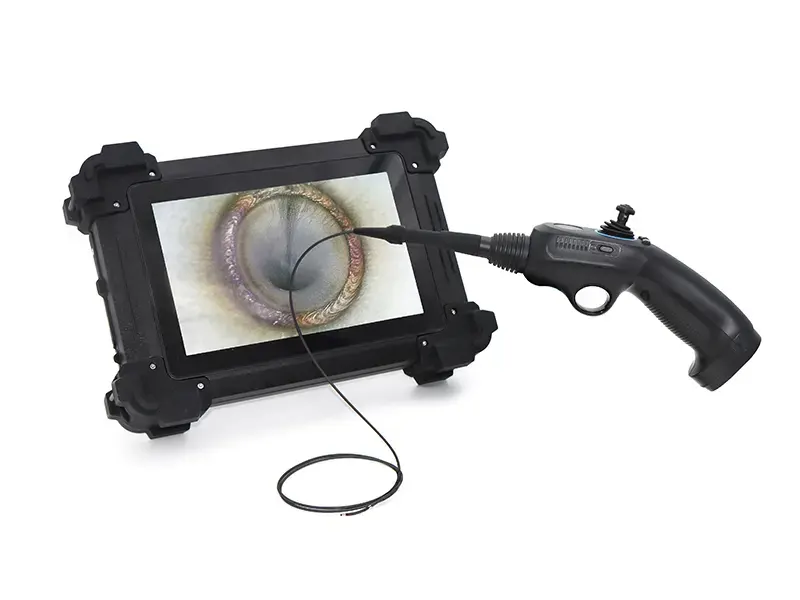
High-definition imaging is essential for nuclear inspections, where early detection of minor defects can prevent serious incidents. Advanced endoscopes provide clear, detailed visuals that reveal fine surface features such as micro-cracks, corrosion, pitting, weld defects, or material fatigue. These subtle indicators often serve as early warning signs of potential failure. By identifying them at an early stage, operators can take corrective action long before safety margins are compromised. Another key requirement in nuclear inspections is the ability to navigate complex internal geometries. Nuclear systems often include long pipelines, narrow channels, and curved passages that conventional inspection tools cannot reach. Endoscopes equipped with ultra-slim probes and multi-directional bending mechanisms can maneuver through these confined spaces with precision. This flexibility enables comprehensive coverage of critical areas, ensuring no hidden sections are left uninspected.
Lighting and image stability are equally important in the nuclear environment. Internal inspection areas are typically dark and may include reflective metal surfaces that distort visual data. High-performance endoscopes integrate optimized LED illumination systems designed to deliver uniform, glare-free lighting. This ensures consistent image quality and accurate interpretation of surface conditions, even in challenging environments. Beyond visual inspection, modern industrial endoscopes increasingly support measurement and documentation functions that align with nuclear safety standards. Integrated measurement capabilities allow inspectors to quantify defect size, depth, and progression over time. Accurate documentation through image and video recording provides traceable evidence for regulatory compliance, maintenance planning, and safety audits. These digital records are essential for meeting strict nuclear regulatory requirements and supporting long-term facility management.
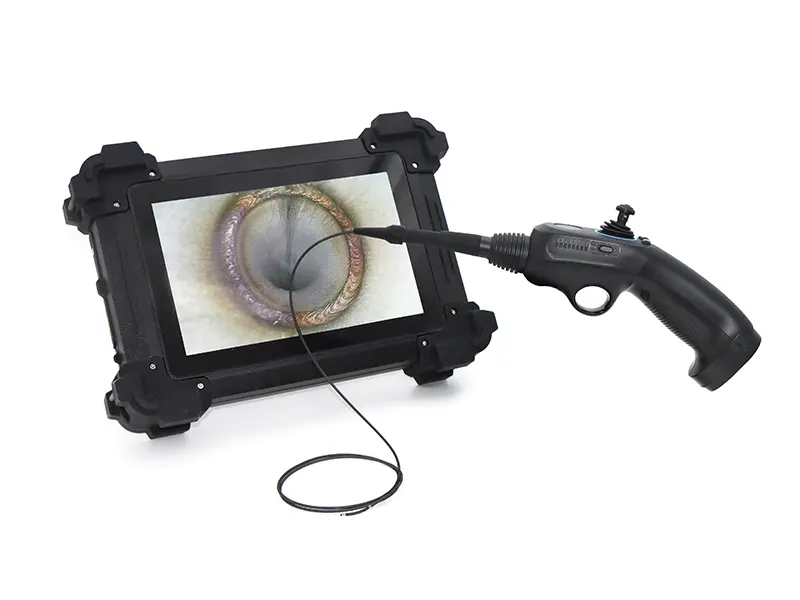
Radiation resistance and durability are also critical considerations. Endoscopes used in nuclear facilities must be designed with materials and components capable of withstanding harsh operating conditions. High-quality industrial endoscopes are engineered with robust sheathing, secure signal transmission, and stable mechanical structures to ensure reliable performance in high-risk environments. This durability ensures consistent inspection results over repeated use, supporting ongoing safety assurance. Industrial endoscopes also contribute significantly to reducing human risk. By enabling remote visual inspection, they limit the need for personnel to enter hazardous or restricted areas. This reduces radiation exposure and enhances worker safety while maintaining thorough inspection coverage. In emergency or abnormal situations, endoscopes provide rapid visual assessment capabilities, supporting timely and informed decision-making.
As the nuclear industry continues to adopt digital and intelligent maintenance strategies, endoscopic inspection is evolving alongside these trends. Integration with advanced imaging algorithms, data analysis, and digital reporting systems enhances inspection accuracy and predictive maintenance capabilities. These advancements support a proactive approach to safety, aligning with the industry’s goal of continuous risk reduction. In conclusion, industrial endoscopes play a vital role in supporting nuclear industry safety standards. By providing high-definition imaging, flexible access to confined spaces, precise measurement, and reliable documentation, they enable safer, more efficient, and more compliant inspection practices. As nuclear facilities continue to prioritize safety and reliability, advanced endoscopic technology will remain an indispensable tool in safeguarding critical infrastructure and protecting both people and the environment.